Your Child's Development.
Your Peace of Mind.
Expert-led sports performance and mental coaching built by a former NBA trainer with 36 years of experience.
You found us because your child needs something more. Maybe they are recovering from an ACL injury. Maybe they are struggling with confidence before games. Maybe you just want to make sure they are training the right way with someone you can trust.
Whatever brought you here, this page is for you. Exercise Innovation gives your athlete access to science-backed training programs and mental performance coaching. And it gives you something just as important: clarity on how to support them through every stage of their athletic journey.
A Complete Physical and Mental Development System
This is not a generic workout plan downloaded from the internet. Your child gets a structured, expert-designed system that develops both the body and the mind.
Physical Development
- ✓Progressive, phased training programs tailored to their sport and stage of development
- ✓Sport-specific conditioning for soccer, ACL recovery, and mental performance
- ✓Video-guided exercises with proper form and technique
- ✓Progress tracking so you and your athlete can see real improvement week over week
Mental Performance
- ✓Confidence building, anxiety management, and focus techniques
- ✓Visualization, goal setting, and self-talk frameworks
- ✓A complete 10-session mental performance curriculum
- ✓Personality-based coaching that adapts to how your child thinks and learns
Expert Coaching
- ✓Programs designed by Coach Dave Boyer—CSCS, ATC, with 16 years of NBA experience and 36 years in rehabilitation and sports performance
- ✓Optional 1-on-1 coaching sessions with Coach Dave for personalized guidance
- ✓A coach who understands athletes at every level, from youth to professional

You Are Not Just a Spectator. You Are the Foundation.
Being a sports parent is one of the most rewarding and demanding roles there is. You are the one who drives to practice at 6 AM. You are the one paying for camps, equipment, and club fees. You are the one sitting in the stands trying to stay calm when the game gets intense.
And when your child gets injured, loses confidence, or wants to quit, you are the first person they turn to, even when they do not say it out loud.
Research consistently shows that the psychological environment parents create at home and on the sidelines is one of the strongest predictors of an athlete's motivation, mental health, and long-term participation in sport.
That is why Exercise Innovation does not just train athletes. We support the people behind them.
How We Help You Help Them
We provide the frameworks, logs, and expert guidance needed to navigate the youth sports journey together.
Coaching Sessions with Coach Dave
Coach Dave Boyer does not just work with athletes. He works with parents too. In a parent session, Dave helps you understand your role in your child's athletic journey.
"Your job is to be the logistical person. You pay for it, you feed them, you get them to practice. But their mental development and competitive growth is their responsibility, and you as a parent have to separate from that process so they can grow and you can enjoy it."
Dave walks you through the mental stages your athlete is experiencing, helping you support them through recovery, confidence issues, or pre-game anxiety without adding pressure.
Objectives: Watch your kid succeed, grow, and develop.
Available Coaching Plans
Unlock immediate physical and mental progression support for your young athlete. Select a plan below to initialize a secure Stripe checkout session. Once purchased, you will receive setup credentials for the Exercise Innovation coaching platform.
Book a Free Informational Session
Not sure which plan is the right fit? Book a free informational session with Coach Dave Boyer. He will listen to your athlete's situation, answer your questions, and map out the best path forward—no commitments or pressure.
The Psychology Every Sports Parent Should Understand
Understanding what goes on inside your athlete's mind will change how you show up for them.
Your Words Build or Break Their Confidence
Self-efficacy, an athlete's belief in their ability to succeed, is built through four sources: mastery experiences, watching others succeed, encouragement from parents and coaches, and how they interpret their own nervousness. Your words directly build or erode your child's self-efficacy. Overcriticism, even when well-intentioned, chips away at their belief in themselves.
Your Response After a Loss Matters More Than Any Coaching Session
Children use parents as a secure base. When that base feels conditional on performance, athletes develop performance-contingent self-worth. They only feel valued when they succeed. This is strongly linked to perfectionism, anxiety, and depression in athletes. Unconditional love and acceptance must be clearly communicated, especially after a poor performance. How you respond in those moments matters most.
Pressure is a Dial, Not a Switch
The Yerkes-Dodson Law shows that performance follows an inverted U-curve. Too little pressure leads to disengagement. Optimal pressure leads to peak focus. Too much pressure leads to anxiety, paralysis, and choking. Signs of over-pressure include perfectionism, pre-game illness complaints, and emotional withdrawal from sport.
Their Identity Is Bigger Than Their Sport
Over-identifying with sport, known as athletic identity foreclosure, is a serious risk. When sport is their only identity, injury or deselection becomes a psychological crisis. Parents who tie their own identity to their child's success amplify this risk. Actively nurture your child's interests, relationships, and strengths outside of sport. Celebrate who they are, not just what they achieve.
Small Shifts in Language, Big Shifts in Impact
Research by Joan Duda shows that the home environment creates a motivational climate just as powerful as the coach's. Families who create a mastery climate at home—where effort, learning, and improvement are valued above winning—raise athletes with higher intrinsic motivation, lower anxiety, and longer sports careers.
Understanding Your Athlete's Developmental Stage
The Development Model of Sport Participation (DMSP), developed by sport psychologist Jean Côté, is one of the most widely accepted frameworks for understanding how young athletes grow. Knowing where your child is on this pathway helps you support them in the right way at the right time.
Broad exploration across multiple sports. Focus on fun, friendship, and movement.
Expose them to many activities. Prioritize enjoyment over results. Resist pressure to specialize early.
Narrowing to 1-2 sports. Increased skill development and emerging athletic identity. Watch for burnout.
Support their choice. Encourage a second sport. Watch for burnout.
Full commitment to one sport. High-level training and long-term goal pursuit.
Transition from director to supporter. Protect autonomy. Play supportive role. Stay positive.
What Your Athlete Needs — Maslow's Hierarchy Applied to Sport
An athlete cannot focus on improving their game if they are hungry, exhausted, or emotionally unsafe. Maslow's Hierarchy of Needs, applied to sport, gives you a simple framework for understanding what your child needs at every level.
Physiological Needs — Sleep, nutrition, hydration, and recovery
Audit the basics before diagnosing a performance problem. Nine times out of ten, addressing these foundations produces more improvement than any additional practice session.
Safety and Security — Physical safety and emotional predictability
Ask yourself honestly: does my child feel safe making mistakes around me? If they hide errors or seem relieved when sport is over, safety needs may be unmet.
Love and Belonging — Team connection and unconditional parental love
Show genuine interest in your athlete's relationships within the sport, not just their performance.
Esteem — Confidence, recognition, and competence
Build esteem with specific, effort-based praise. Instead of 'you were amazing today,' try 'I noticed how hard you worked on your footwork in the second half.' Specific feedback builds real confidence. Generic praise builds fragility.
Self-Actualization — Flow, meaning, and intrinsic love of sport
This is the moment your athlete plays without prompting, without pressure, driven entirely by: 'I love this game.' Everything you do as a parent should be in service of that moment.
Programs Designed for Real Progress
Every program is delivered through the Exercise Innovation app with video demonstrations, progress tracking, downloadable guides, and coaching access.
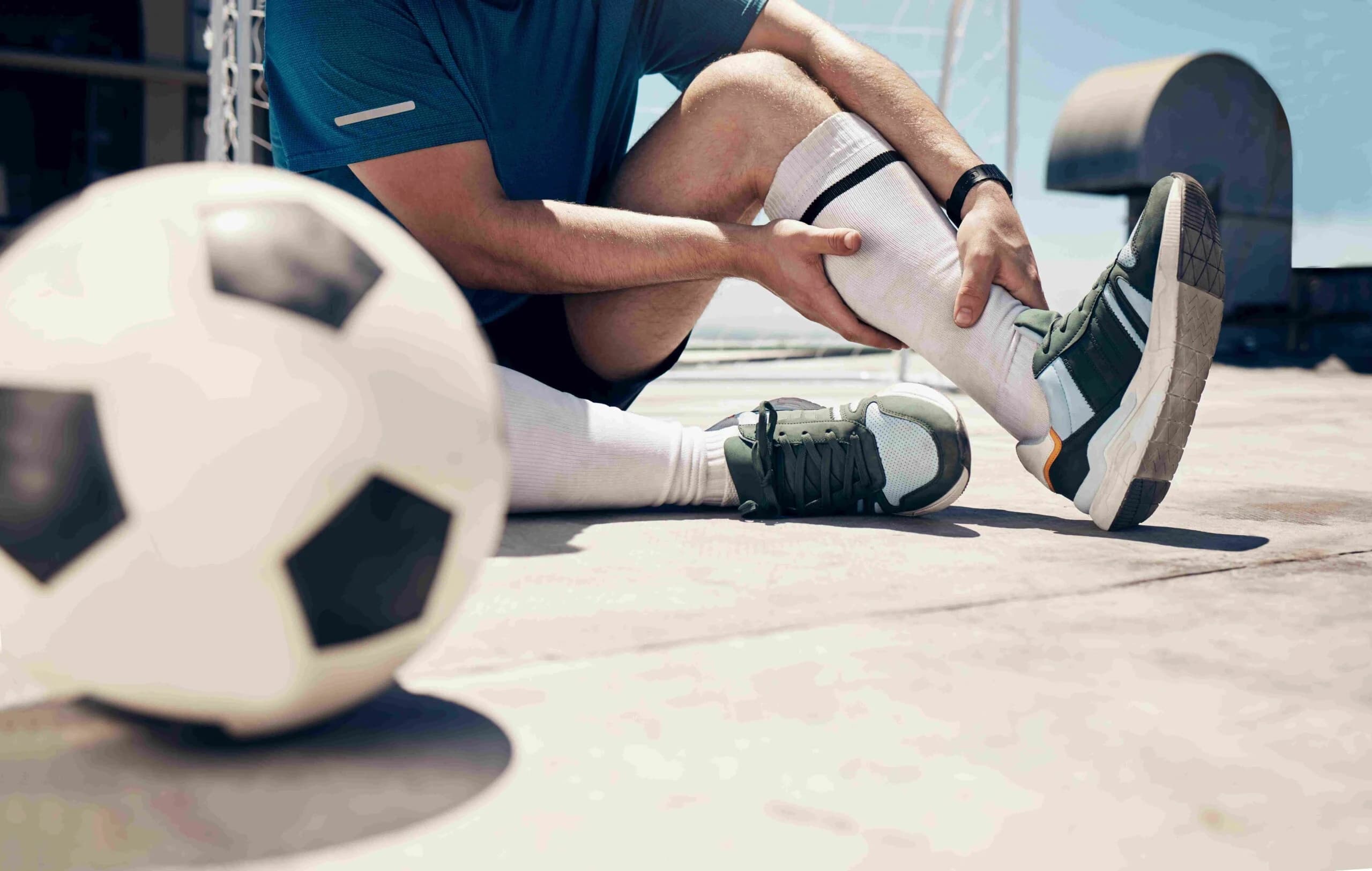
ACL - Return to Sport
Multi-phase physical + mental recovery system from surgery to return to sport.
Post-op athletes rebuilding strength and confidence

Soccer Off-Season
Sport-specific conditioning, ACL prevention, and performance training.
Soccer players training in the off-season

Mental Performance
10-session mental skills program covering confidence, focus, visualization, and resilience.
Any competitive athlete who wants to train the mind
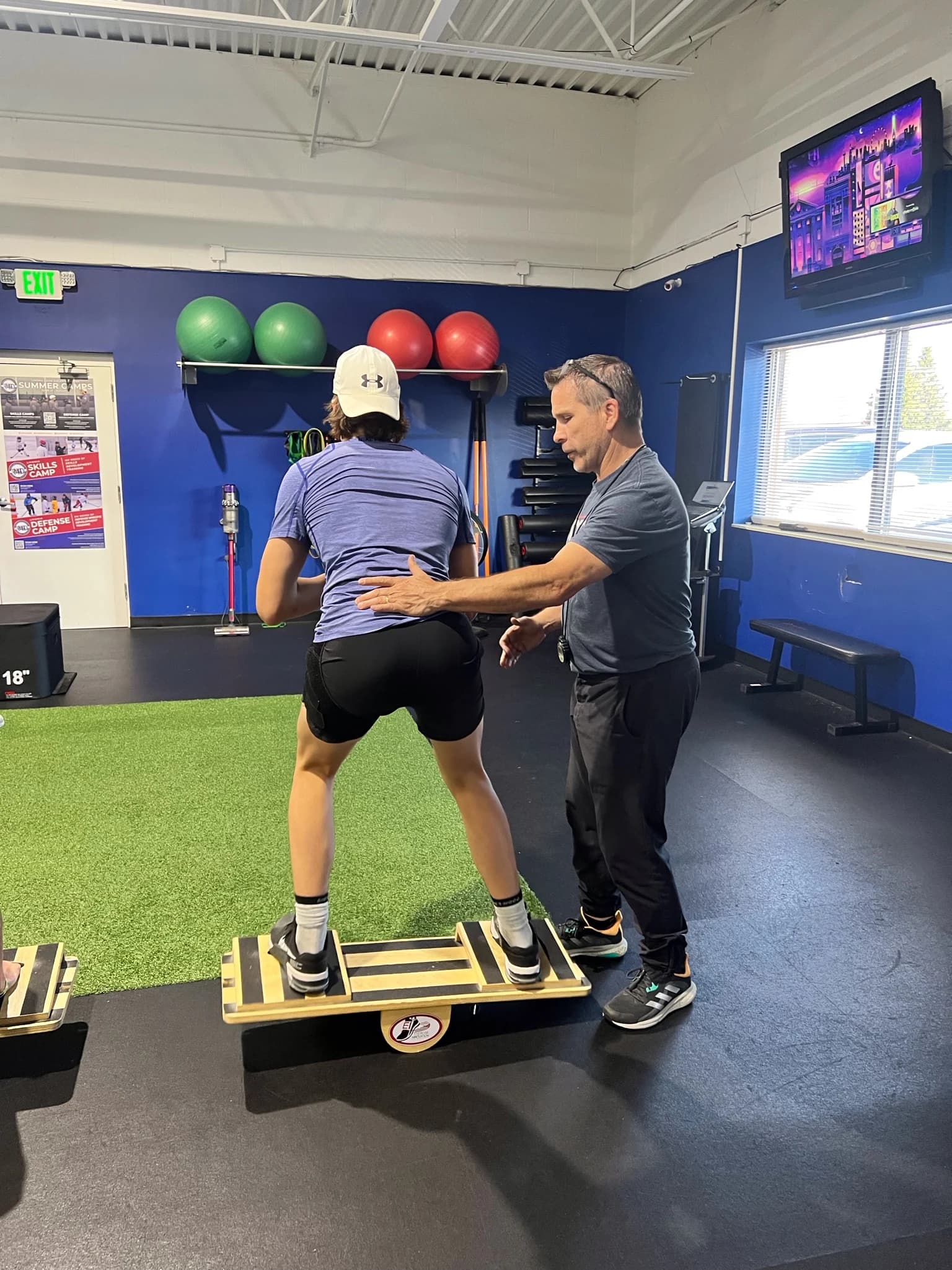
1-on-1 with Coach Dave
Personalized mental performance coaching session (30-min or 1-hour).
Athletes or parents who want individual guidance
The Most Powerful Thing You Can Say
"I love watching you play."
Research consistently finds that the single most powerful thing a parent can say after any competition is this statement. It communicates unconditional support, keeps sport enjoyable, and builds the psychological safety athletes need to take risks, grow, and ultimately thrive.